


Zombie Apocalypse: Doomsday-Z
4.610.18K Reviews
App Specs
- Version
- 1.66.3
- Updated On
- License
- Free
- Downloads
- 10,000,000+
- Developer
- Freeplay Inc
- Categories
- Action
- Platform
- Android, iOS
Screenshots
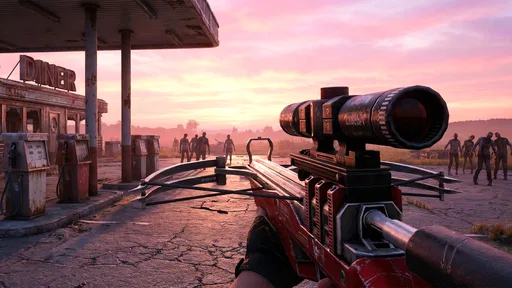
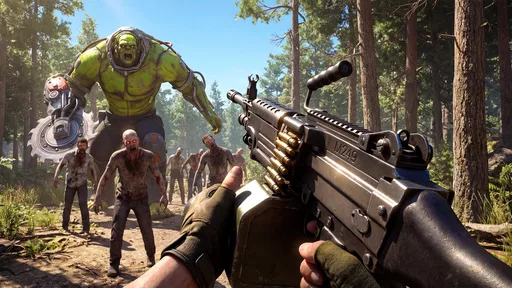
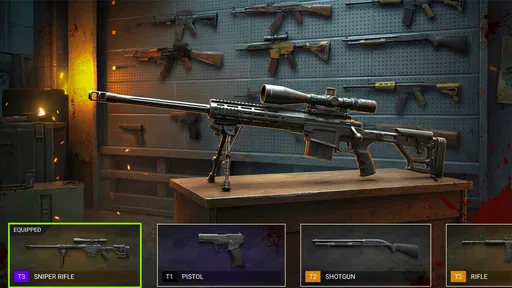
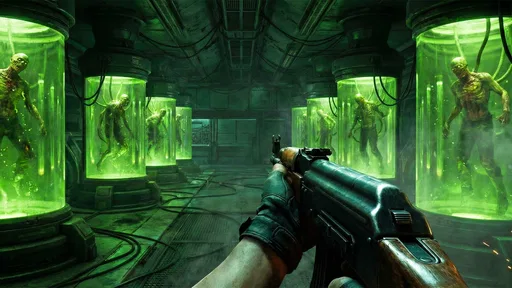
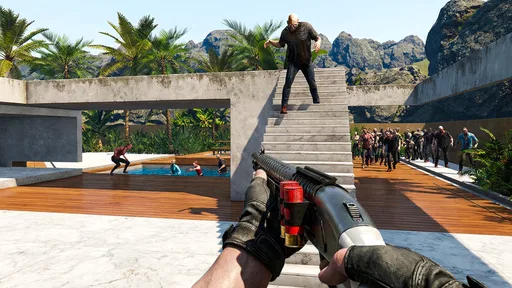
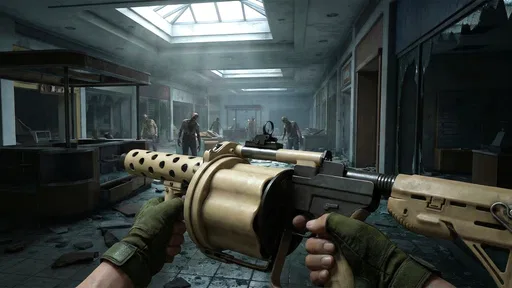
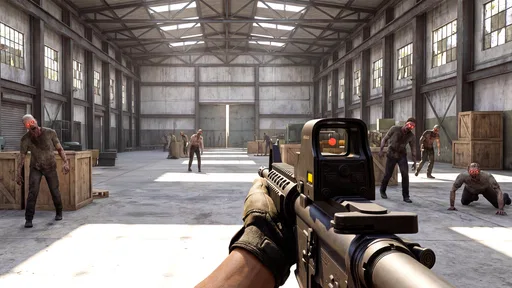
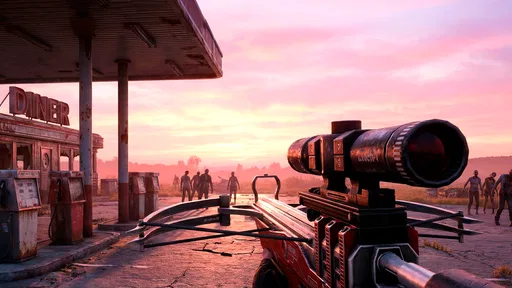
 Analysis by AppCompare
Zombie Apocalypse: Doomsday-Z is the kind of action game I open when I want immediate pressure rather than a slow, thoughtful build-up. Its premise is easy to understand: the world has collapsed, the undead are everywhere, and survival depends on shooting accurately while making quick decisions. After spending time with it, I found that its strongest quality is not simply the presence of zombies. It is the way the setting, visual tone, weapon-focused play, and escalating danger work together to create a consistent doomsday mood.
That focus makes it approachable. I did not need a long explanation before understanding what the game wanted from me. At the same time, it is not a perfect fit for every player. Anyone looking for a relaxed puzzle game, a deep role-playing experience, or a purely competitive multiplayer shooter may find its design too narrow. For me, it works best as a compact mobile action experience built around tension, repetition, and the satisfaction of getting through one more dangerous encounter.
How the ruined world establishes its identity
My first impression was shaped by the setting before I started thinking about progression. The post-apocalyptic backdrop gives every encounter a reason to feel urgent. Instead of presenting combat as an isolated shooting exercise, the game frames it as part of a larger struggle to remain alive in a broken world. That context matters because it gives the action a clear emotional direction: every threat belongs to the same harsh environment.
Freeplay Inc has chosen a direct approach with this zombie action game. The world language is built around danger, scarcity, and constant uncertainty rather than bright spectacle. I found that useful because it keeps my attention on the immediate problem. When I am surrounded or facing a difficult wave, the setting reinforces the idea that safety is temporary.
The art direction also helps separate the game from a generic target-shooting exercise. The ruined-world theme gives the weapons and enemies a shared visual purpose. The environment feels like a place where ordinary rules have stopped working, so the act of preparing for the next attack becomes part of the fiction. I especially appreciate this kind of consistency on a phone, where a game has only a short time to communicate its personality.
There is a trade-off, though. A focused atmosphere can become repetitive if the player expects constant visual reinvention. The game is more interested in sustaining its survival mood than in offering a completely new setting at every turn. I would recommend it to someone who enjoys returning to a familiar dangerous world, but not to a player who needs every session to introduce a radically different theme.
The mood is strongest when the danger feels readable
One useful detail is how the setting supports decision-making. A dark, damaged world is not only decoration; it prepares me to watch for threats and conserve attention. I tend to play more carefully when the environment suggests that danger may arrive from anywhere. That makes the art direction mechanically relevant instead of merely attractive.
Worth Reading Before You Choose

EA SPORTS FC Mobile 26 Is a Bigger Football Game, but It Takes Time

Flipboard Shows What News Apps Must Do Beyond the Feed

Switching to Android Auto Means Rethinking Your Driving Routine

Google Calendar Makes a Crowded Week Easier to Manage

Ludo King Makes the Most of the Minutes Between Plans

Baby Panda World Brings Quick Play to Modern Phones, but Its Game Library Feels Busy
My practical advice is to avoid treating every encounter as a race to fire as quickly as possible. The atmosphere encourages panic, but the better response is to pause long enough to identify the most immediate threat. This is one of the game’s more interesting tensions: the world tells me to hurry, while successful play often rewards controlled reactions.
The mature rating is also important when deciding whether it belongs on a shared family device. This is a game aimed at older players, and its zombie violence and doomsday presentation are central to its identity rather than incidental details. I would not recommend it for younger children simply because the controls or basic premise may look accessible.
Sound, pacing, and the feeling of a narrow escape
Sound plays a supporting role in the experience by keeping the action from feeling flat. In my sessions, the audio helped maintain the sense that something hostile was always close. That matters in a zombie game because the threat should feel present even when the screen is not crowded with enemies. The setting creates the expectation of danger, while the sound helps carry that expectation between attacks.
The pacing is built around short bursts of concentration rather than a single uninterrupted rush. I like that structure for mobile play. It gives me a natural reason to start a session when I have only a little time, while still creating enough pressure to make the next encounter feel meaningful. A quick break between tasks can work well, although I would not call this a calming game. Even a brief session can leave me feeling as if I have been managing a crisis.
One of the better ways to play is to use the rhythm of the encounters to control your own attention. I try not to spend all of my focus on the first threat I see. Instead, I watch for the moment when the game changes from manageable to dangerous, then adjust my pace. This sounds simple, but it prevents a common mistake: reacting to the nearest zombie while ignoring the situation developing around it.
The downside is that repetition can make the rhythm feel predictable over longer sessions. The same basic emotional cycle—prepare, react, survive, repeat—will appeal to players who enjoy refining their responses, but it may wear down anyone seeking a constant stream of surprises. I found the game more enjoyable in focused sessions than in an extended marathon.
Why the sound and pacing work together
The audio and timing are most effective when I am already invested in surviving the current sequence. A threatening sound cue or sudden increase in pressure has more impact when I have been carefully managing the encounter. If I rush through everything without observing the pattern, the atmosphere becomes background noise. If I pay attention, the same presentation gives the action more weight.
This is also where the game differs from a purely arcade-style shooter. The goal is not only to chase a high-speed reaction. The post-apocalyptic framing asks me to stay alert and accept that every mistake belongs to a larger survival problem. That makes the mood more coherent, even when the underlying activity remains straightforward shooting.
Where the shooting mechanics fit—and where they do not
At its core, this is a free action game about surviving zombie encounters with guns. That clarity is a strength. I always know what kind of experience I am entering, and the controls do not have to compete with a dozen unrelated systems. The shooting is the center of attention, while the setting and presentation make that shooting feel more urgent.
The best fit is for players who enjoy repeated combat challenges and gradual improvement in their own reactions. I found satisfaction in learning when to stay calm, when to prioritize a threat, and when not to waste an opportunity. These are small decisions, but they add up during a difficult sequence. The game does not need an elaborate role-playing structure to make those choices matter.
That simplicity can also be a limitation. Players who want deep character customization, a large social layer, or a story with extensive dialogue should look elsewhere. This is not the right choice if your ideal mobile action game is built around exploring a huge map at your own pace. Its appeal is more focused: enter the danger, handle the attack, and keep moving through the survival challenge.
The free price makes it easy to try, but the presence of in-app purchases ranging from $0.99 to $49.99 per item means I would approach spending carefully. My recommendation is to play long enough to decide whether the basic combat loop genuinely holds your attention before buying anything. Purchases make more sense for someone who already enjoys the game’s rhythm than for a new player trying to solve frustration immediately.
That distinction is important. If a difficult encounter makes you want to improve your timing, the game may keep rewarding you. If the same encounter makes you feel that progress is only enjoyable after spending money, this is probably not the best action game for you. I prefer treating purchases as optional support for an experience I already like, not as a substitute for learning its combat flow.
A realistic mobile use case
Imagine having a short break before a meeting or while waiting for a ride. This game suits that moment better than a long narrative adventure because I can focus on a compact survival challenge without needing to remember a complicated plot. I usually play with sound at a level that lets me notice the atmosphere without disturbing people nearby, then stop after a few encounters rather than forcing a long session.
There is a useful trade-off here. The game is convenient because its action is easy to understand, but the same convenience can tempt me to play carelessly. A quick session still deserves attention if I want to survive efficiently. My best results come when I treat a short round as a focused exercise, not as something to operate absent-mindedly while doing another task.
On older compatible devices, expectations should also be realistic. The minimum operating-system requirement is Android 7.1, and the current version is 1.66.3. That makes the game accessible across a broad range of Android phones, but compatibility does not guarantee that every device will feel equally comfortable. Screen size, touch responsiveness, and general device performance can all affect how enjoyable fast action feels.
I would also check the age suitability before handing the phone to someone else. The mature 17+ rating is not a minor footnote; it tells me that the game’s tone is intended for an older audience. The intense zombie setting is part of what gives the combat its weight, so players who dislike graphic or mature survival themes should skip it rather than hoping the presentation is secondary.
How it compares with familiar alternatives
Compared with a large open-world zombie game, Doomsday-Z feels more concentrated. I spend less time wandering and more time responding to immediate danger. That makes it a better choice for quick mobile sessions, especially when I want action without committing to a long expedition. The compromise is that players who love exploration, environmental storytelling, and broad freedom may find this approach too contained.
Compared with a competitive online shooter, it offers a different kind of pressure. I am not measuring myself against another human player in every moment; I am dealing with the game’s survival scenario and trying to improve my own decisions. That can feel more approachable when I want action without the stress of a live competitive match. However, it will not replace the unpredictability or social energy that multiplayer fans expect.
It also differs from casual zombie games that use the theme mainly as decoration. Here, the doomsday mood is connected to the shooting loop. The setting tells me how to interpret the danger, the sound reinforces the threat, and the pacing keeps the survival idea active. If you only want a colorful time-killer with zombies on the screen, this may feel more serious than necessary.
On the other hand, fans of deep tactical shooters may want more control over positioning, equipment, or long-term planning than this game provides. Its strength is not simulation. It is the clear relationship between threat and response. I would choose it when I want an accessible action game with a strong atmosphere, not when I want a detailed military sandbox.
Who should install it and who should pass
I think this game is a good match for players who enjoy zombie fiction, direct shooting, and tense repeatable encounters. It is especially suitable if you like games that communicate their mood quickly and let you begin playing without a lengthy learning period. The combination of a ruined-world setting and concentrated action gives it a recognizable personality.
I would be more cautious about recommending it to players who dislike repetition, mature violence, or purchase options in free games. It is also a poor fit for anyone seeking a peaceful experience. Even when the controls are familiar, the emotional tone is built around danger and survival, not relaxation.
The public response suggests that many players have found something worthwhile here: the game holds an average rating of 4.6 from around 811 thousand ratings, with over 10 million installs. Those figures do not replace personal taste, but they do show that the focused zombie-shooting formula has reached a substantial audience. I would interpret that popularity as a reason to try it, not as proof that every player will enjoy its limitations.
Freeplay Inc has kept the central idea easy to recognize, and that is probably why the game is approachable. I never felt confused about the intended experience. The more important question is whether that experience matches what I want from a mobile game on a particular day.
My atmosphere verdict after playing
What stays with me is the coherence between the art, sound, setting, and pacing. The game does not treat the apocalypse as a thin backdrop for unrelated mechanics. The damaged world gives the shooting a purpose, the sound keeps the threat present, and the rhythm turns short encounters into moments of concentration. That unity is its clearest creative strength.
Its weaknesses come from the same focused design. The experience can feel repetitive for long sessions, it does not aim to replace a deep role-playing or competitive shooter, and in-app purchases require sensible restraint. Those are meaningful considerations, especially for players who expect a large variety of systems from a mobile action game.
For me, the best way to approach it is as a mature, free survival shooter for deliberate short sessions. I would install Zombie Apocalypse: Doomsday-Z if I wanted a tense zombie atmosphere, readable action, and a game that gets to its point quickly. I would skip it if I wanted exploration, quiet play, or a system-heavy adventure.
My final recommendation is positive, with those limits clearly in mind. The game succeeds because its mood is not separate from its mechanics: the world makes the danger believable, and the danger gives the shooting its energy. If that compact loop sounds appealing, Zombie Apocalypse: Doomsday-Z is worth trying before deciding whether its repeated survival rhythm belongs in your regular mobile rotation.
Pros
- Easy-to-learn controls make the game accessible to newcomers.
- Base-building adds strategy beyond simple zombie combat.
- Frequent missions provide clear short-term goals.
- Different survivor abilities encourage varied team setups.
- Playable in short sessions
- making it suitable for mobile gaming.
Cons
- Progress can feel slow without regular resource gathering.
- Upgrade materials may become scarce during later stages.
- Some missions rely heavily on repeated combat encounters.
- The interface can feel crowded on smaller phone screens.
- Online features may be less enjoyable with an unstable connection.
FAQs for Zombie Apocalypse: Doomsday-Z
What is Zombie Apocalypse: Doomsday-Z about?
Zombie Apocalypse: Doomsday-Z is a survival-focused mobile game set in a world devastated by a zombie outbreak. Players typically explore dangerous areas, gather supplies, develop and improve a base, recruit or manage survivors, and fight infected enemies and rival threats. Progress depends on balancing combat, resource management, upgrades, and strategic decisions rather than simply defeating zombies in every encounter.
Is Zombie Apocalypse: Doomsday-Z free to download and play?
The game can generally be downloaded for free, but players should expect optional in-app purchases. These may provide premium currency, useful resources, upgrade materials, convenience items, or limited-time offers. It is possible to make progress without paying, although some systems may advance more slowly for free players. Check the store listing for the current pricing, age rating, and purchase details.
Does the game require an internet connection?
Zombie Apocalypse: Doomsday-Z is best treated as an online game. An internet connection may be required for account access, event participation, multiplayer or alliance features, cloud synchronization, advertisements, and server-side progression. Some individual activities might load without a stable connection, but offline play should not be assumed. Using Wi-Fi or a reliable mobile connection can also help prevent interruptions during battles and updates.
Is Zombie Apocalypse: Doomsday-Z suitable for children?
The game is designed around a zombie-apocalypse setting and may include violence, frightening enemies, combat effects, survival themes, and references to death or destruction. It may also contain advertising, online interaction, and optional purchases. Parents should review the official age rating in their region, check the privacy and chat settings, and consider enabling purchase restrictions before allowing younger players to install or use the game.
What should new players focus on after starting the game?
New players should first follow the tutorial and complete the early missions, since these usually unlock important systems and provide essential resources. Prioritize upgrading the main base, improving dependable characters or units, collecting supplies regularly, and completing daily objectives. Avoid spending premium currency immediately; saving it for clearly valuable upgrades, events, or progress barriers generally provides better long-term value.


